


Award-winning individuals or entities - Navarra Solidaridad
Award-winning individuals or entities
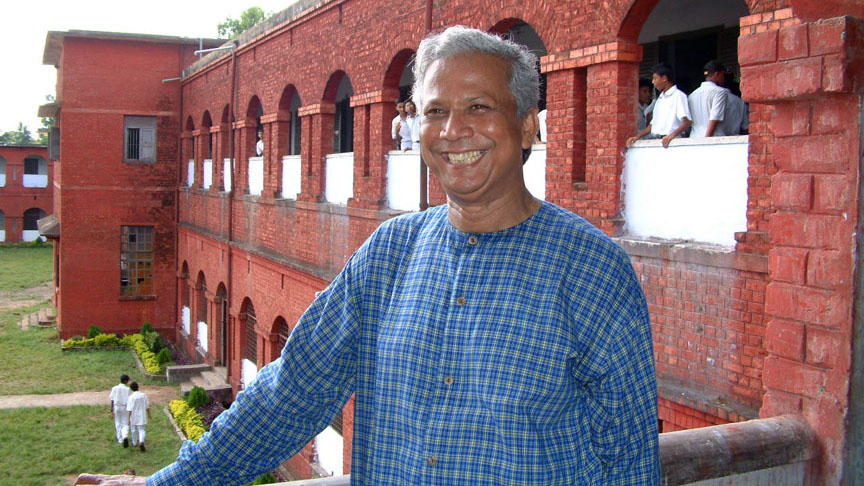
Muhammad Yunus
Microcredit

A pioneer in the 1970s of a form of social organisation for rural villages known as “Gram Sarker” (rural government), Muhammad Yunus raised awareness that escaping poverty requires going beyond the laws of the market by providing collateral-free solidarity loans to those in greatest need. He succeeded in founding the Grameen Bank (rural bank), which in 1983 achieved the status of an independent bank. This “bank for the poor” has benefited three and a half million people, the vast majority of them women who are themselves co-owners of the bank. Its model has been replicated on all continents, applying economic and social policies aimed at the development of rural habitats and schools. Muhammad Yunus and the Grameen Bank received the Nobel Peace Prize in 2006 for their efforts to build a fairer economy for the most disadvantaged.
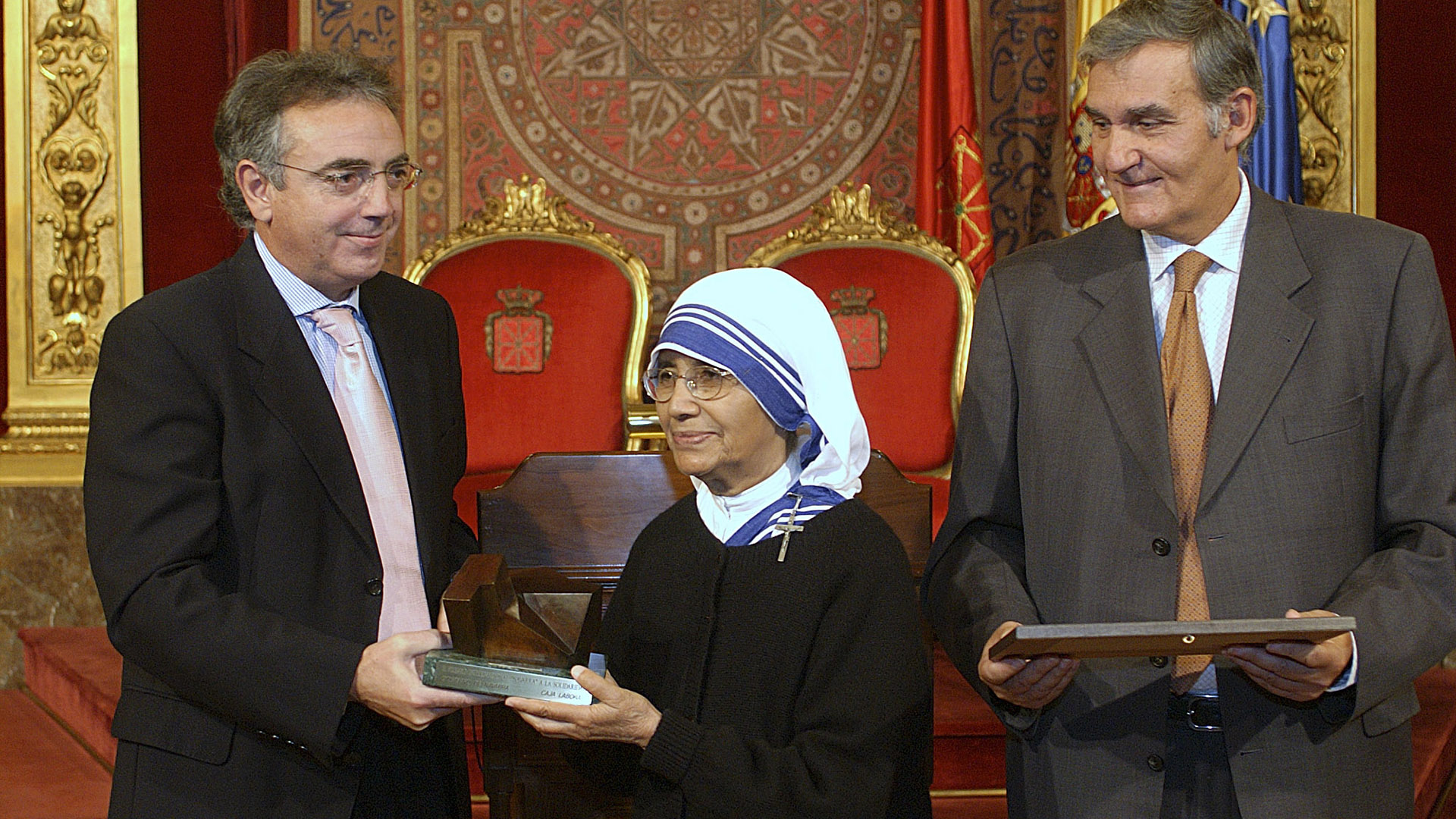 Missionaries of Charity Sisters
Poberty

This is a Catholic religious order founded in 1950 by Mother Teresa of Calcutta to aid the most disadvantaged. The order currently consists of over 4,500 sisters in more than 133 countries. The Missionaries help refugees, former sex workers, individuals with mental illness, abandoned children, leprosy patients, AIDS victims, the elderly, and the convalescent. They run schools staffed by volunteers to educate street children, operate charity canteens, and provide other services based on community needs. The award recognised the tireless work of this order in aiding the most vulnerable.
 Jesuit Refugee Service (JRS)
Refugees and displaced persons

Founded in 1980 by Father Pedro Arrupe, the Jesuit Refugee Service was established to address the needs of the world’s refugee population. The third edition of the International Navarra Award for Solidarity sought to recognise this work. JRS has been present in the major humanitarian crises worldwide, supporting nearly 400,000 people annually. More than 500 individuals, mostly volunteers, work alongside beneficiaries on projects in education, emergency relief, food aid, basic healthcare, income-generating initiatives, social services for the most vulnerable, and legal defence of human rights.
 UNASO – Uganda Network of Aids Service Organisations
HIV/AIDS

Established in 1997 in response to calls from various organisations to join forces in combating the spread of HIV and providing care and support to those affected. UNASO operates nationwide, collaborating with NGOs, community-based groups, networks of people living with HIV/AIDS, and other local communities engaged in addressing the epidemic in Uganda. Today, the network comprises over 800 entities. Among its many activities are the creation of a forum of AIDS service organisations, counselling on care and self-care, dissemination of information on various interventions, and documentation related to the disease.
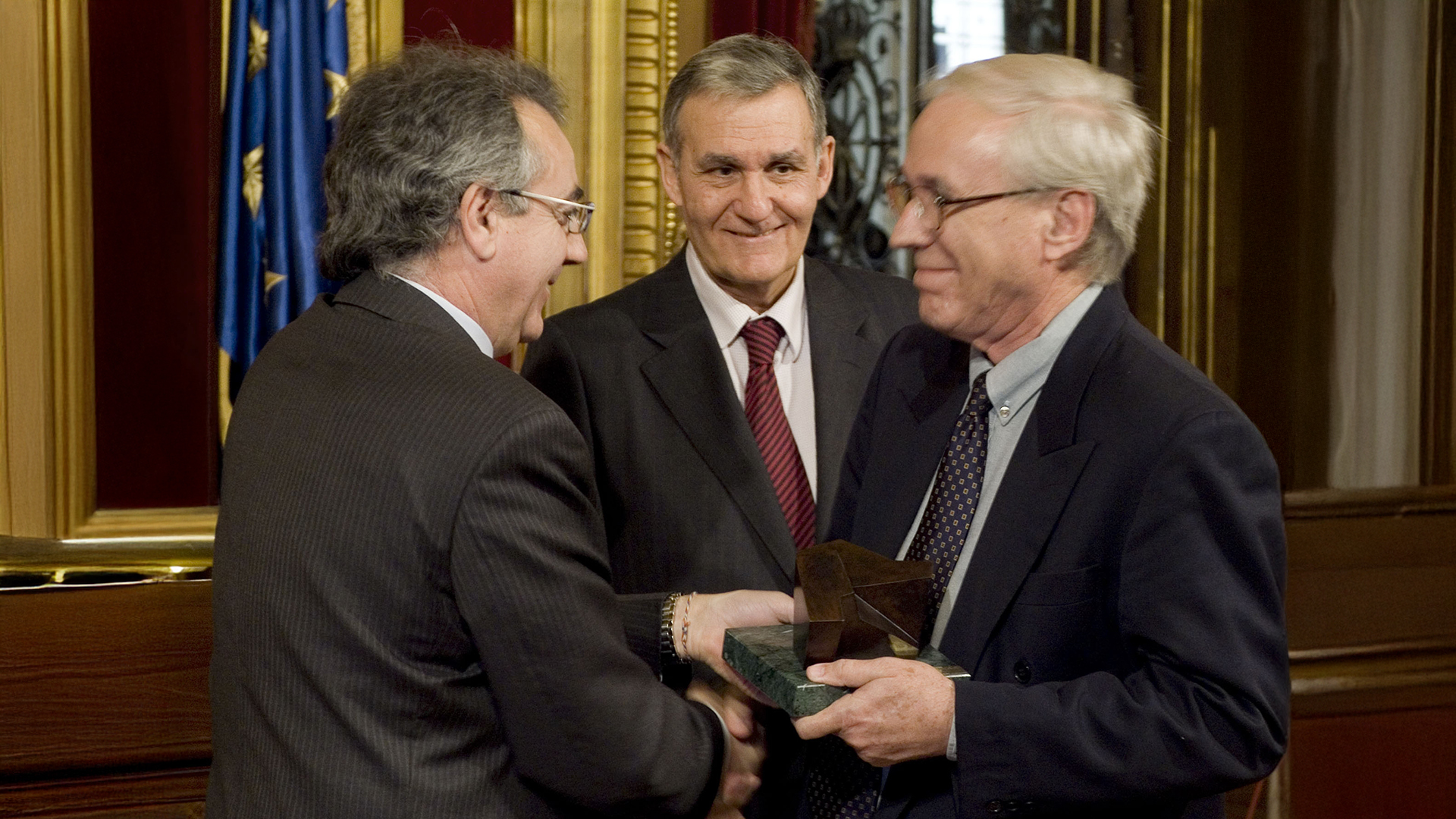 International Federation of Fe y Alegría (Faith And Joy)
Education

This movement focuses on impoverished and marginalised communities, fostering personal development and social participation. Fe y Alegría envisions a world where everyone can develop their potential and live with dignity, building a just, participatory, and supportive society; a world where institutions—especially the Church—are committed to human dignity and the transformation of structures that perpetuate inequality, poverty, and exclusion. Education is its main tool. Nearly 40,000 people work with Fe y Alegría, not including hundreds of volunteer collaborators. The movement’s work directly or indirectly reaches approximately seven million people annually.
Order of St. John of God
Health

One of the largest international non-profit cooperation organisations, the Order of St. John of God emphasises hospitality, health promotion, companionship, and commitment to the most vulnerable realities of each era and society. This is done with a broad understanding of universality and a strong emphasis on professionalism. Its mission is to serve the most vulnerable people—whether due to illness or lack of resources—by launching and developing international programmes focused on social action and health. Its work is carried out through healthcare centres, hospitals, clinics, social services, and religious communities. The Order is present in fifty countries across five continents and carries out over 20 million treatments each year, attending to an average of 54,000 people daily.
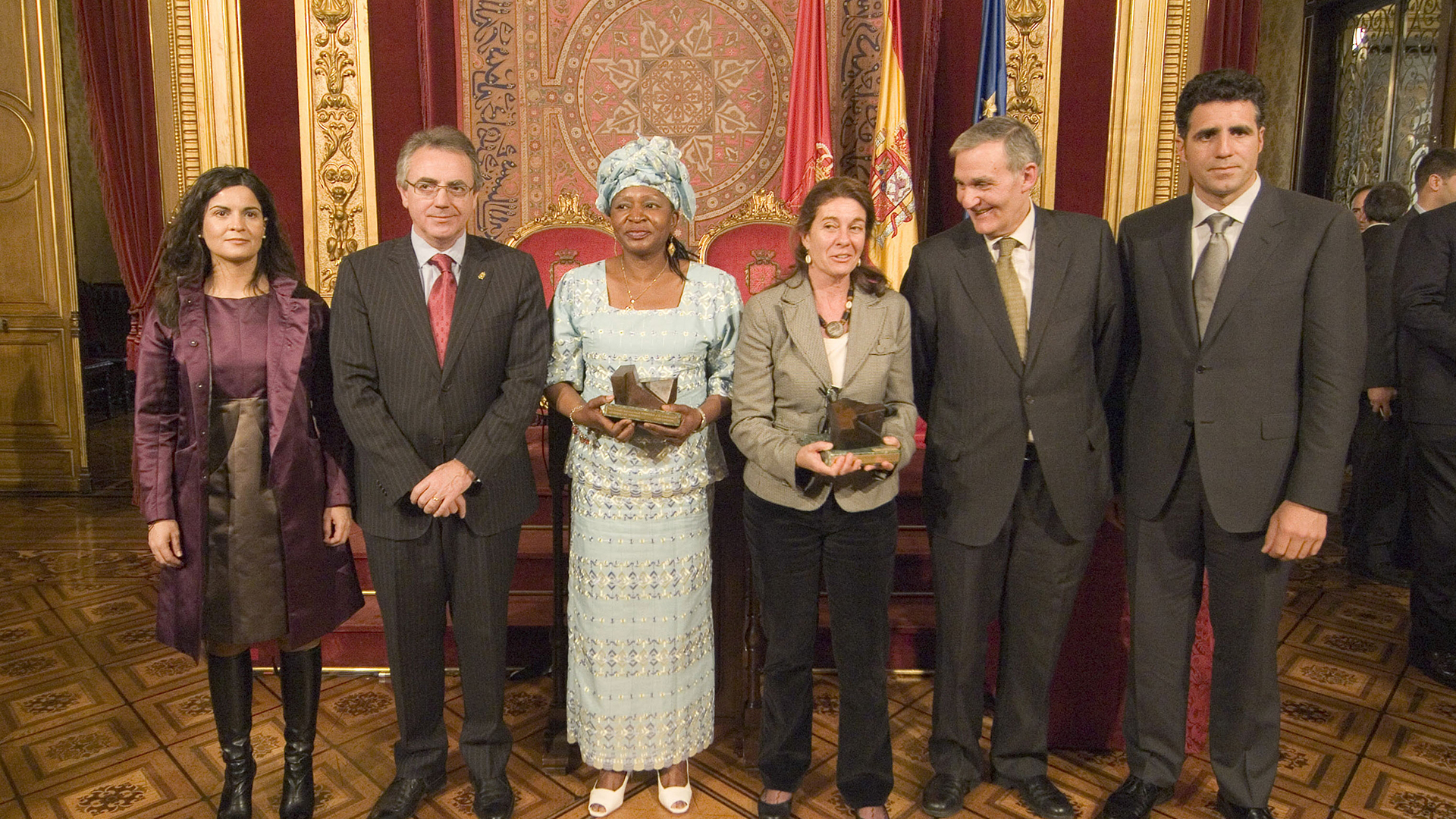 Mama Samateh And the NGO Wassu Gambia Kafo
Female Genital Mutilation (FGM)

An intercultural mediator and co-founder of the Anti-Female Genital Mutilation Association (AMAM), established in 1998. Wassu Gambia Kafo, an NGO based in Catalonia and Gambia and represented by its president Adriana Kaplan, focuses on raising awareness among local and migrant populations and developing alternative strategies to eliminate female genital mutilation as part of initiation rituals. Although formally founded in 2002, the organisation's work originated from actions carried out by the Interdisciplinary Group for the Study and Prevention of Harmful Traditional Practices at the Autonomous University of Barcelona.
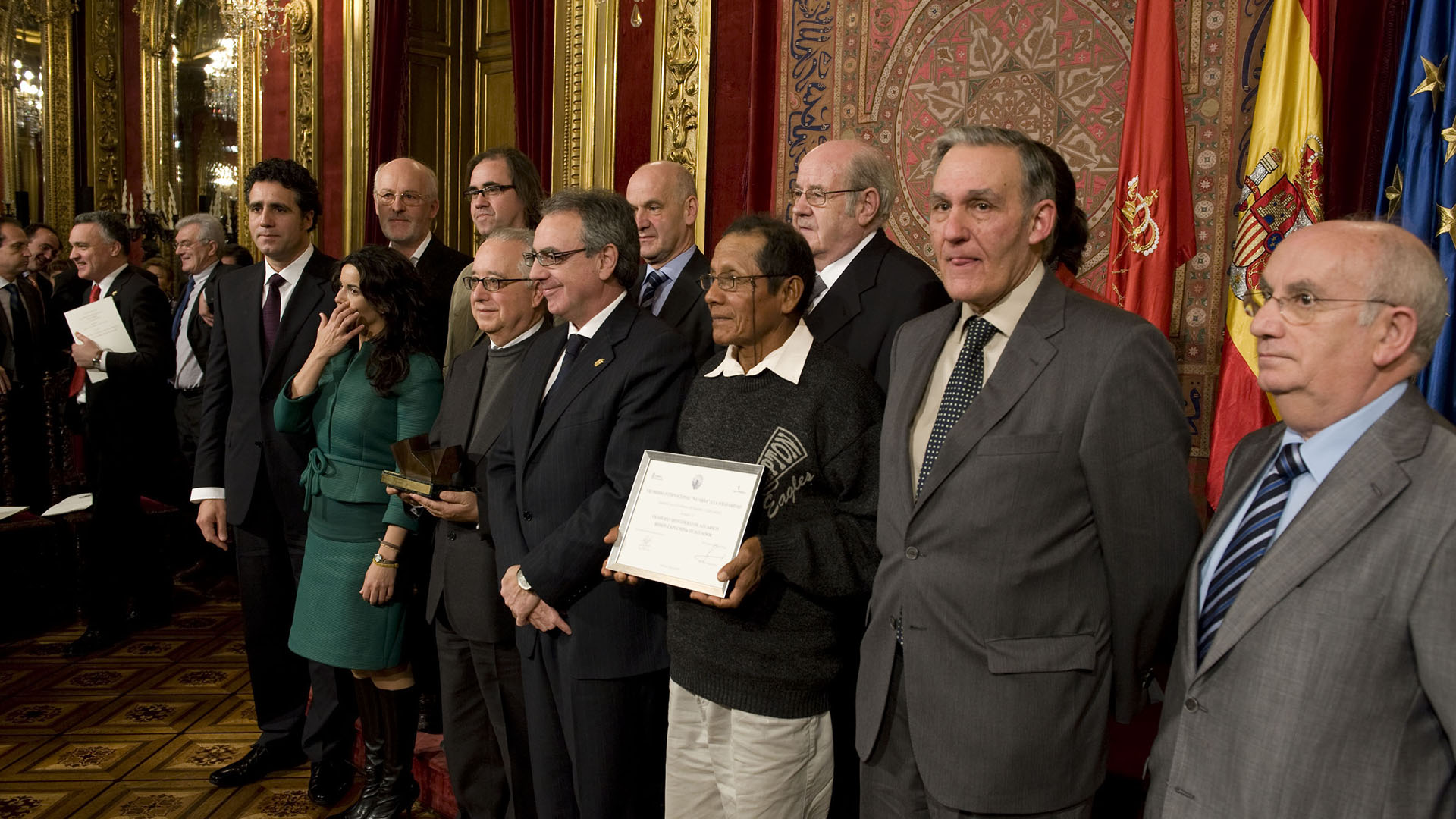 Apostolic Vicariate of Aguarico – Capuchin Mission
Indigenous Peoples

This award recognised the mission’s work since 1954 on behalf of the Indigenous peoples of the Ecuadorian Amazon. Often marginalised and excluded, these communities form a strong and cohesive international movement that has fought for over 30 years for respect for their cultures. The mission has supported these peoples in areas such as organisational strengthening, the demand for rights, support for autonomous development programmes, and campaigns to ensure access to basic human needs, especially health and education, while respecting their own cultural frameworks.
 Creative Handicrafts and founder Isabel Martín Alonso
Fair trade

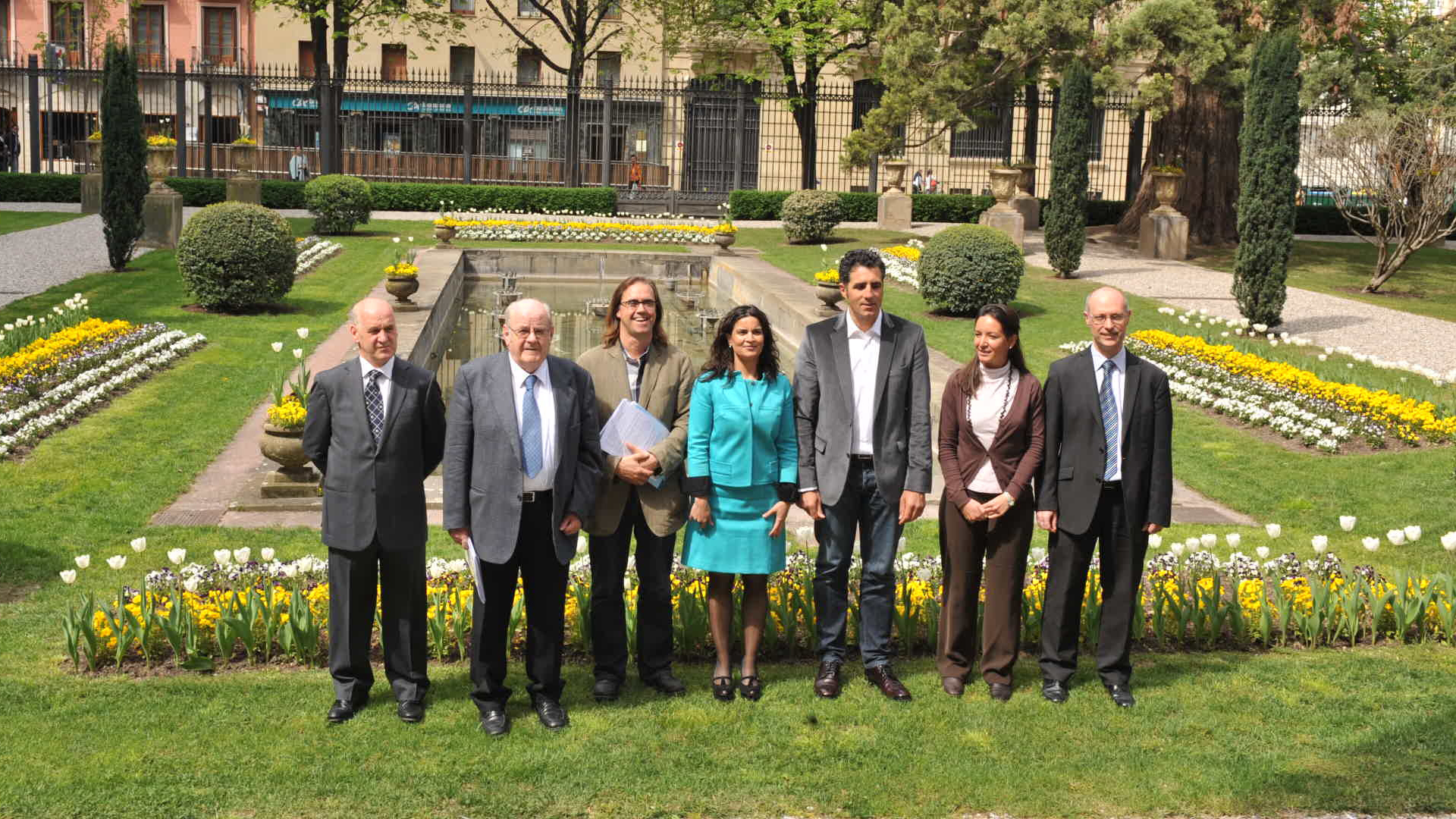
For her work and support for women from the most disadvantaged castes in Mumbai. In 1984, Isabel Martín identified the need for women to find a way to earn a living to become economically independent and overcome the discrimination they faced. Along with four other women, she launched Creative Handicrafts, which today coordinates twelve textile cooperatives and a fast-food cooperative, producing goods for both national and international markets through fair trade channels. The organisation runs three programmes: economic development, personal empowerment, and community development.
Manuel E. Patarroyo Murillo
Malaria

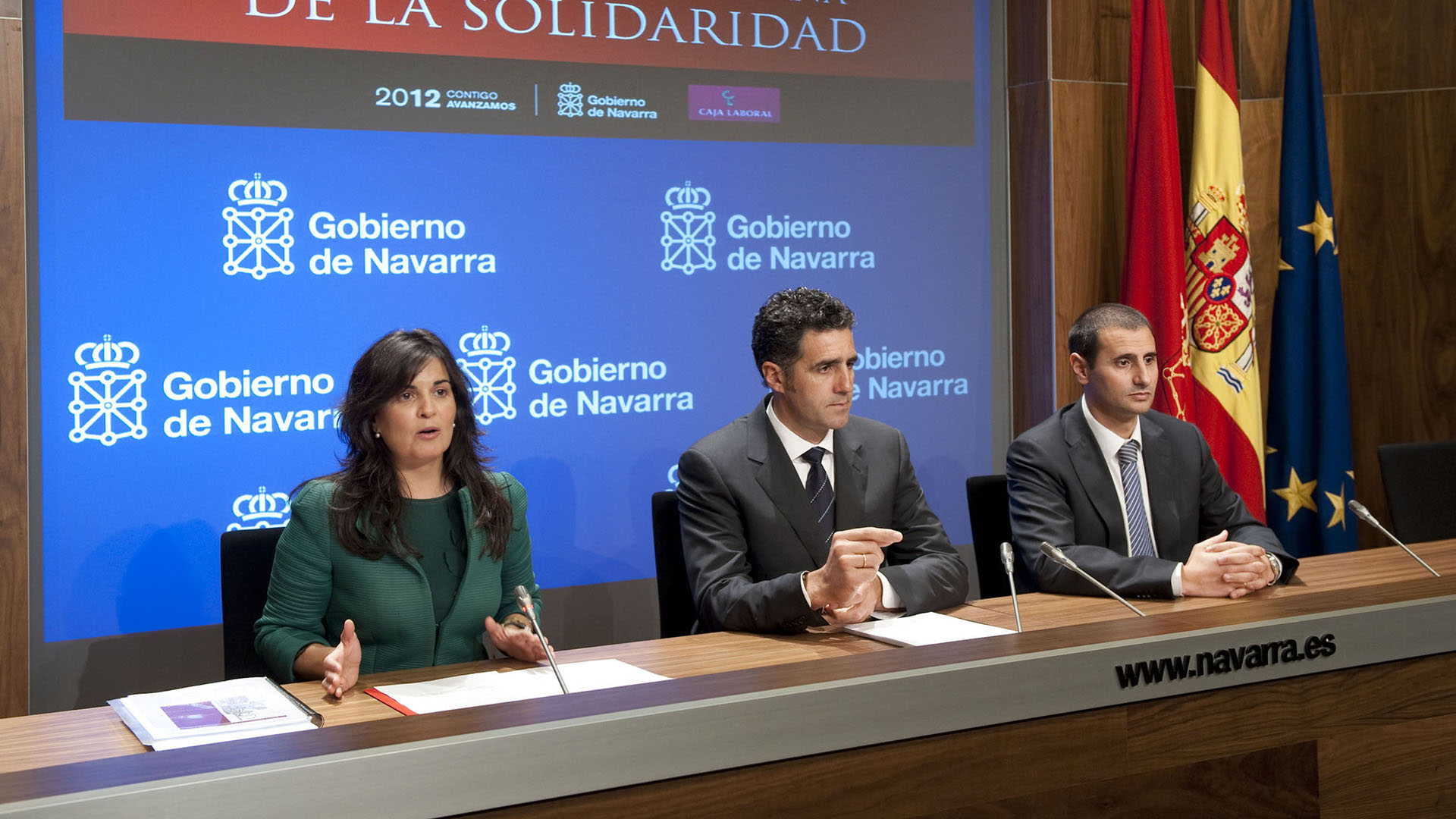
A colombian immunologist, Patarroyo earned his medical degree from the National University of Colombia in 1971 and pursued postgraduate studies at Yale, Rockefeller University (New York), and the Karolinska Institute (Stockholm, Sweden). He is a professor at the National University of Colombia and adjunct professor at Rockefeller and Stockholm universities. He is also the founder and current director of the Fundación Instituto de Inmunología de Colombia (FIDIC), associated with the National University of Colombia and designated by the World Health Organization as a Collaborating Centre for the development of synthetic vaccines against malaria, tuberculosis, and leprosy. He is the author of over 300 scientific articles published in journals worldwide.
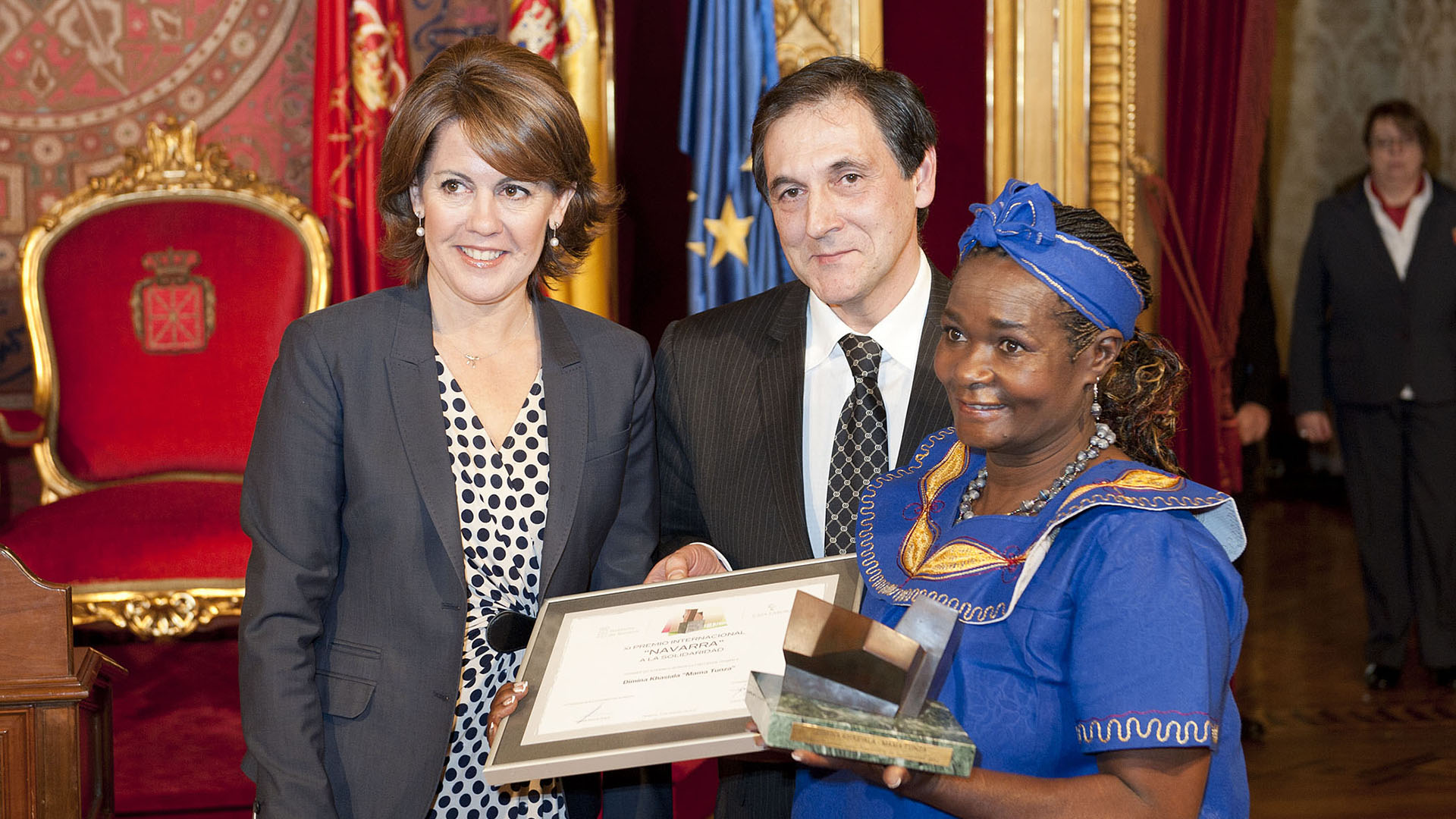
Dimina Khasiala, known as ‘Mama Tunza’ (in swahili, “The mother who cares for you”)
Childhood

In 1997, this illiterate and impoverished woman found an abandoned baby in a dumpster and took responsibility for him, as no one else would. With the help of family, friends, and support from local private businesses, she built makeshift shelters known as the Tunza Children’s Centre to house many of the children wandering the streets of Nairobi. Since then, she has cared for and supported over 350 homeless minors, providing them with education, food, and other basic needs.
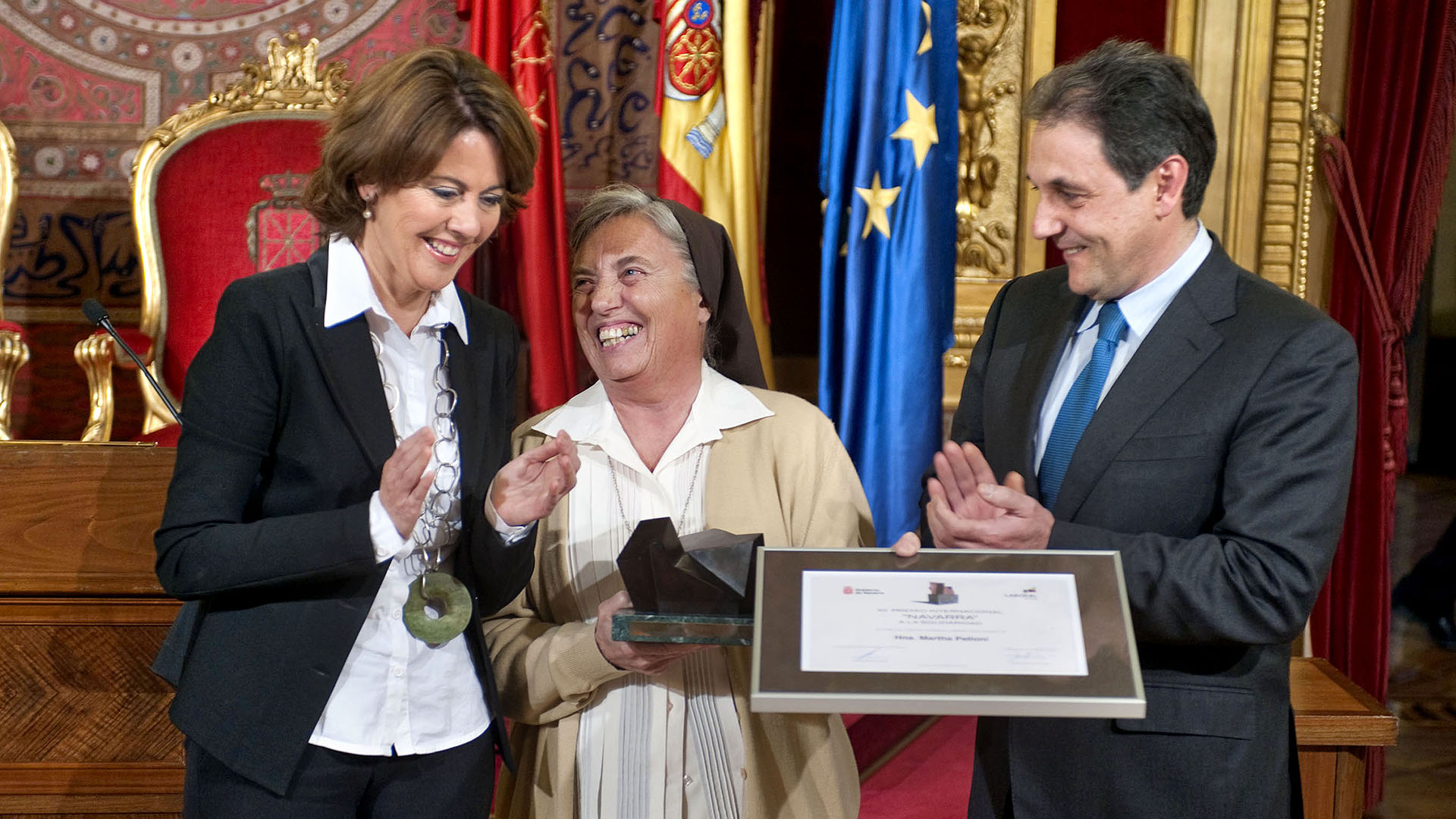
Martha Pelloni
Human trafficking for sexual exploitation

She was recognised for her commitment to human rights in Argentina, particularly for her fight against child trafficking, sexual abuse, and the abduction of children for organ trafficking. Sister Martha Pelloni, an Argentine nun, led the 'March of Silence' in 1990 following the murder of a teenage girl—an initiative that sparked 82 similar protests demanding justice and accountability. For over 25 years, she has devoted herself to the prevention, care, and fight against trafficking and sexual exploitation of children and adolescents. She has participated in numerous networks and organisations, including the National Network of Stolen Childhood, which she founded and which comprises 21 social forums.
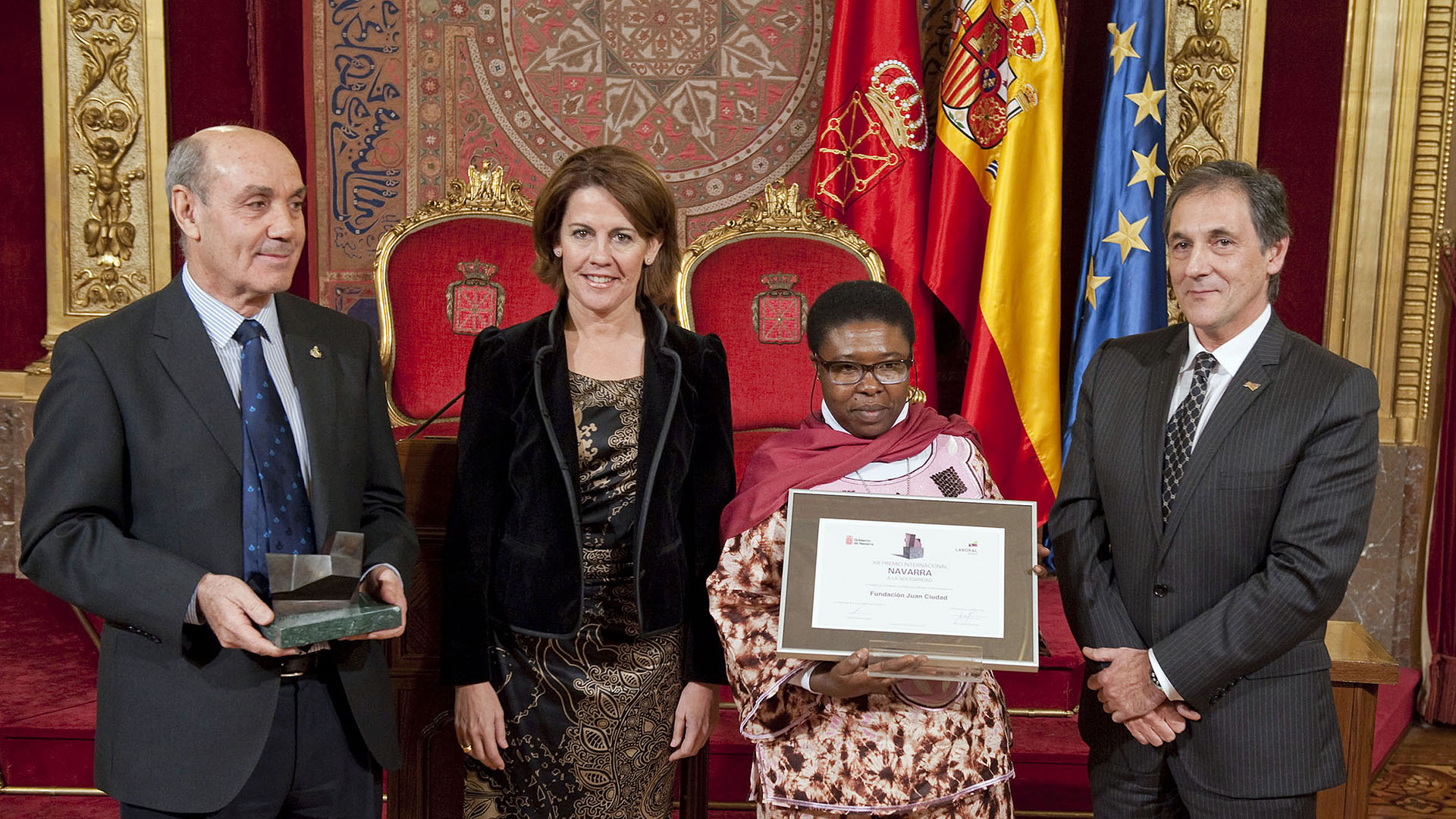 Juan Ciudad Foundation
Ebola

The award recognised the efforts of all individuals who directly or indirectly fought against the Ebola epidemic, particularly in several West African countries—ranging from local professionals and volunteers to aid workers from organisations such as Médecins Sans Frontières and the Red Cross, as well as missionaries. The jury specifically highlighted the work of the Juan Ciudad Foundation for their involvement through San Juan de Dios hospitals in those countries, and their awareness-raising work around public health and neglected diseases such as Ebola. The award also honoured the dedication and commitment of one of the hospital’s workers, Sister Paciencia Melgar..
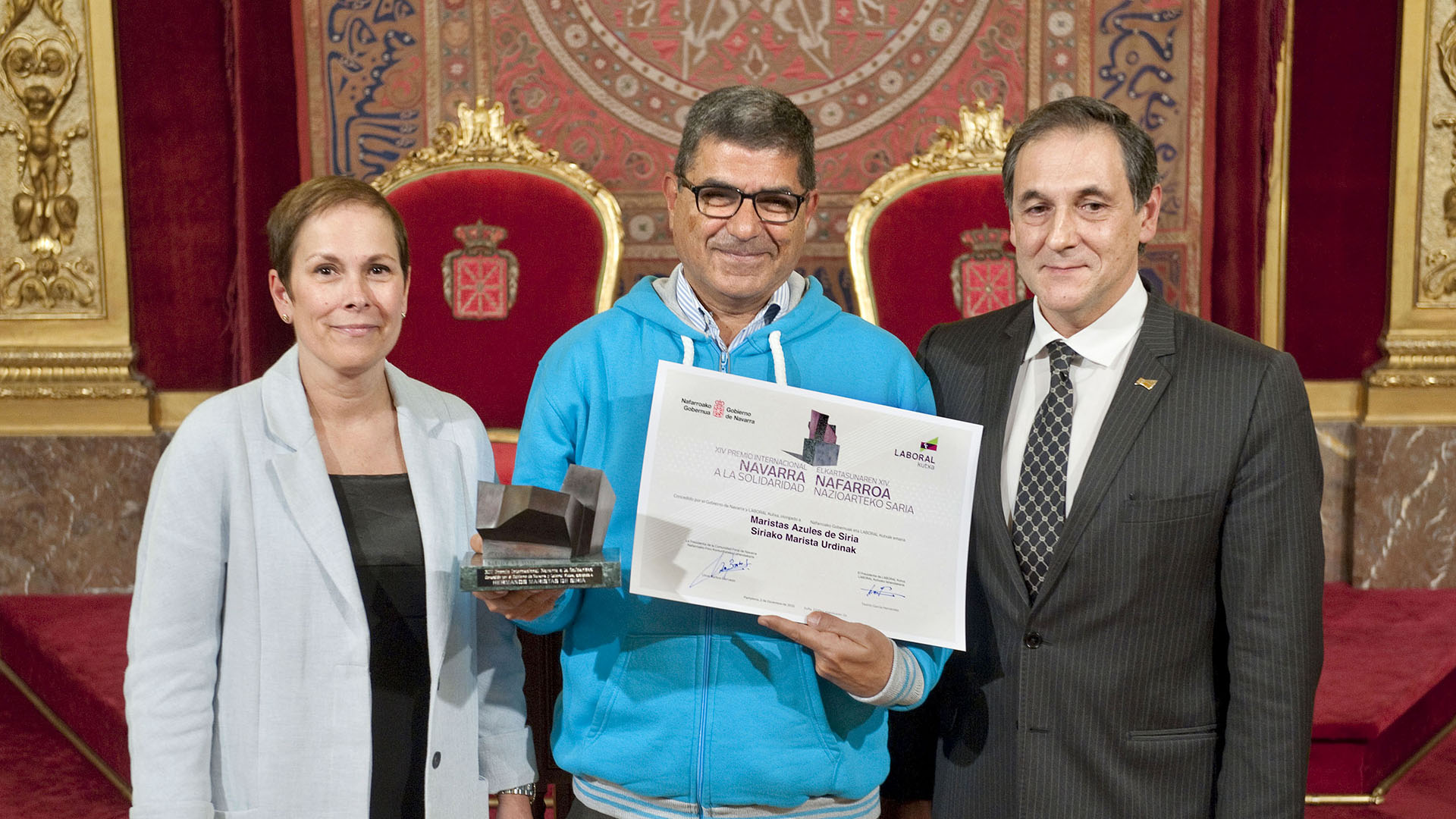 Marist Brothers of Aleppo (Blue Marists)
War victims (refugees and displaced persons)

In the context of the war in Syria, the award recognised the work of the Marist Brothers in one of the areas most affected by the conflict—Aleppo. Beyond their short-term interventions, the award highlighted their longstanding dedication to working with the country’s most vulnerable populations, including internally displaced people and conflict victims in Aleppo. Their efforts also uphold one of the most fundamental human rights—the right to life. The award further acknowledged their close collaboration with Muslim, Christian, and non-religious organisations in delivering humanitarian aid. The award was accepted by Brother Georges Sabé, a Syrian national residing in Aleppo, who has remained in the city since the war began, alongside other Blue Marists volunteers, to support the affected population..
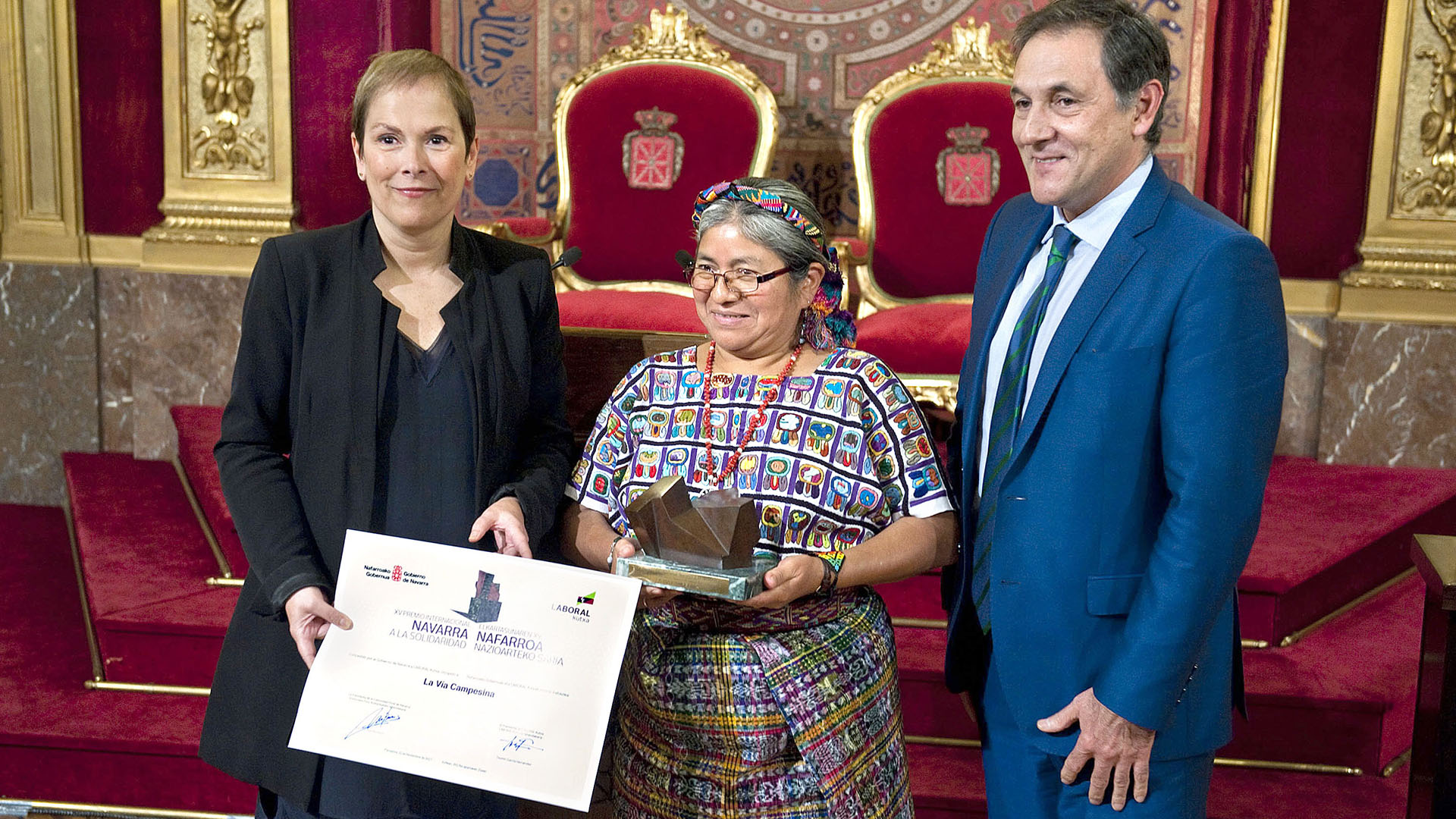
La Vía Campesina
Food sovereignty

A global social movement active on four continents and present in 73 countries, La Vía Campesina is recognised as a key stakeholder by international organisations such as the FAO. Founded in 1993 in Mons, Belgium, by representatives from four continents, the movement has since defended the interests of peasants, ensuring they participate in decisions affecting their lives. It advocates for access to land, support for small-scale family farming, and the rights of landless labourers. The organisation promotes ecological agriculture that respects the environment and upholds food sovereignty. It provides a powerful alternative to the dominance of the agro-industrial model controlled by multinational corporations.
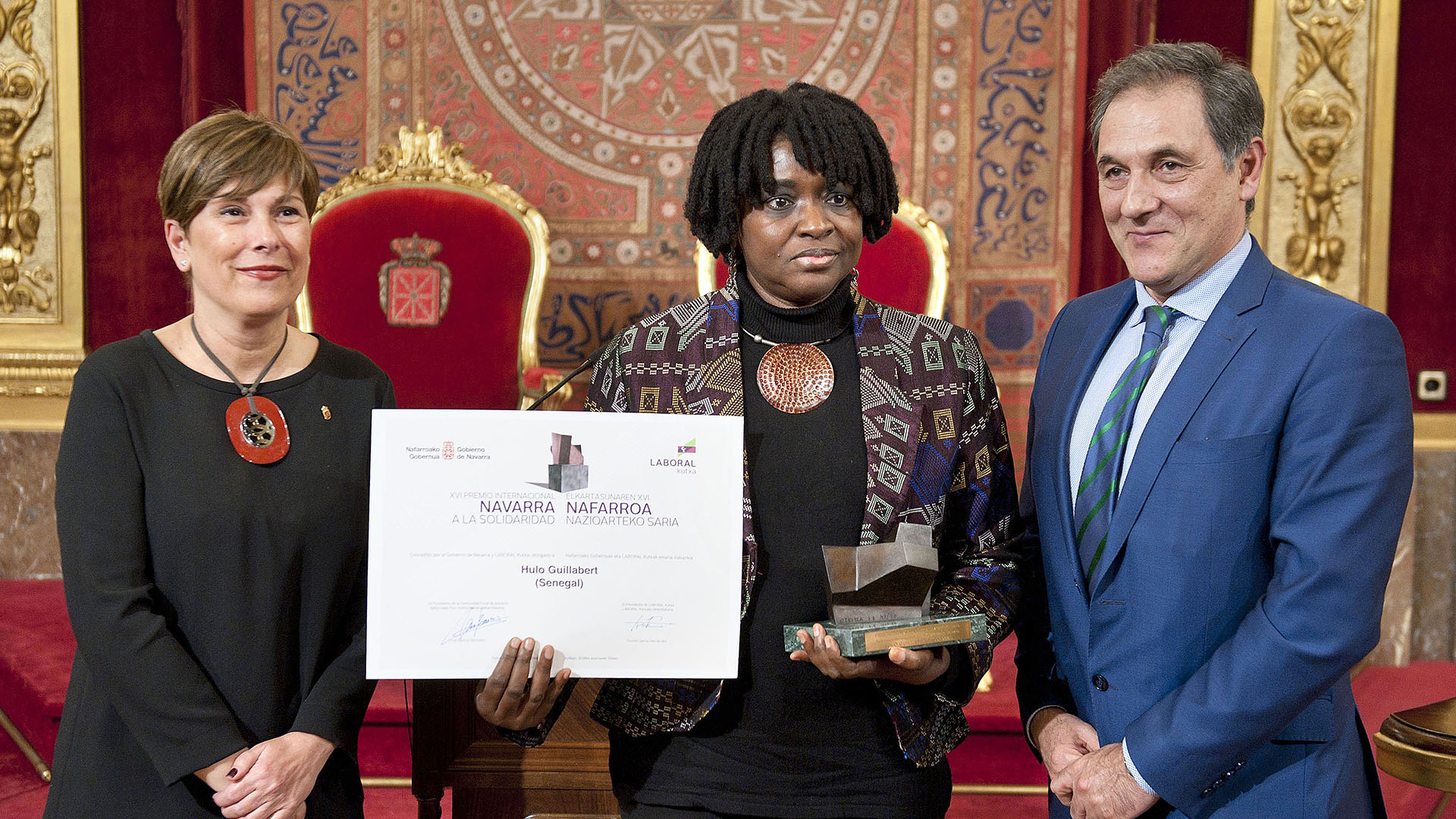 African Women and Human Rights: Theresa Kachindamoto (Malawi), Hulo Guillabert (Senegal), Victoria Nyanjura (Uganda), Oumou Sall-Seck (Mali)
Women's Rights

For the first time, the award was granted to four individuals: four African women activists recognised for their commitment to human rights in Africa, as part of a joint nomination that honoured their collective efforts. Women lead social change in Africa, and these four recipients exemplify the struggle to uphold dignity and justice through the defence of human rights across diverse regions of the continent. Their work focuses particularly on the protection of women and children, whose fundamental rights are frequently violated in armed conflicts and through cultural practices now being challenged by contemporary African society..
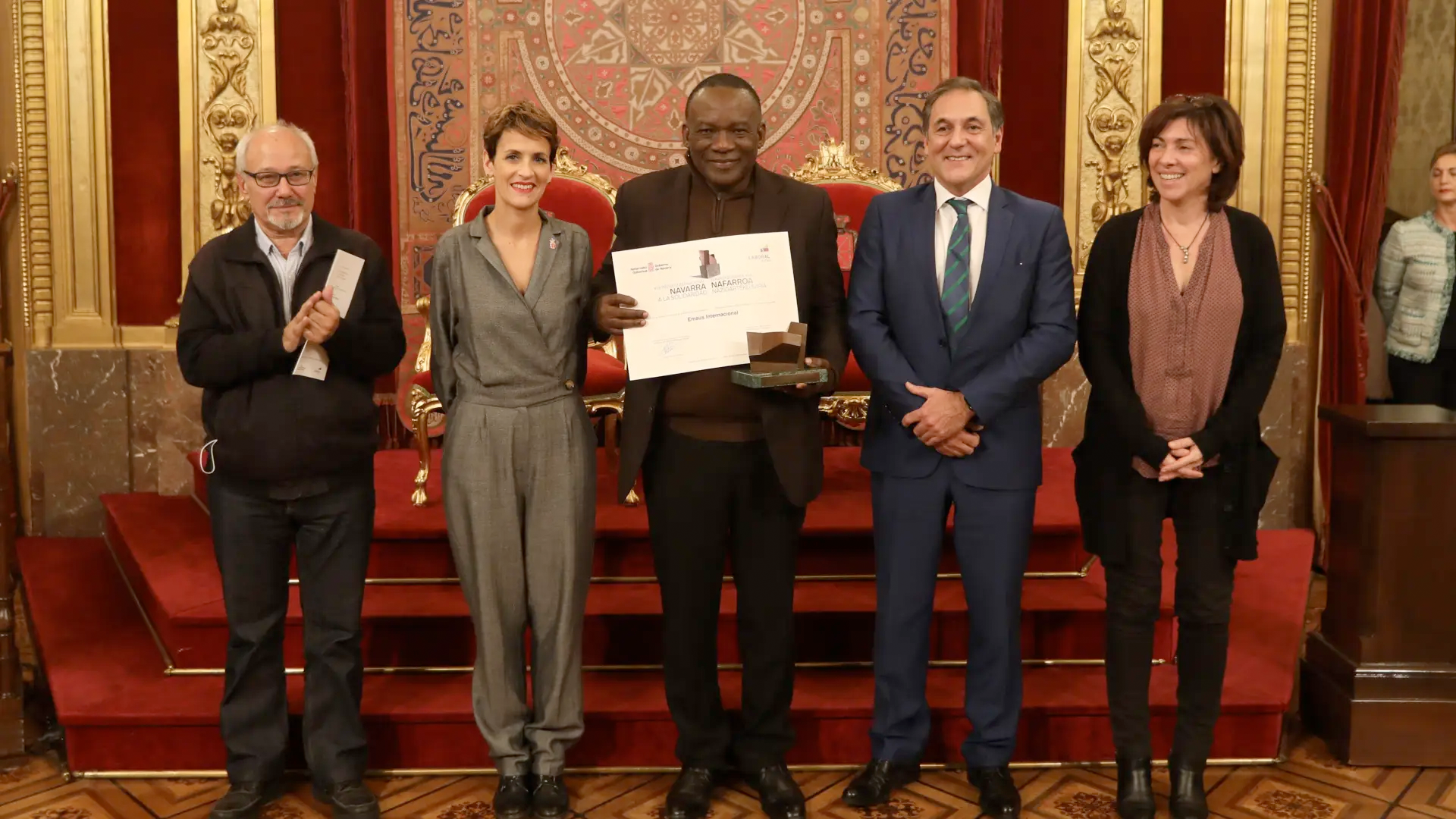
Emmaus International
Decent Work, Ethical and Solidarity-Based Economy

Recognised for its principal contribution to Sustainable Development Goal 8 by promoting decent work for vulnerable populations in 37 countries over five decades. Emmaus International’s commitment to ethical and solidarity-based economic practices strengthens access to fundamental rights and environmental responsibility. Their mission is put into practice through a wide range of local projects that respond to employment needs and prioritise resource reuse, recycling, responsible consumption, and fair trade.
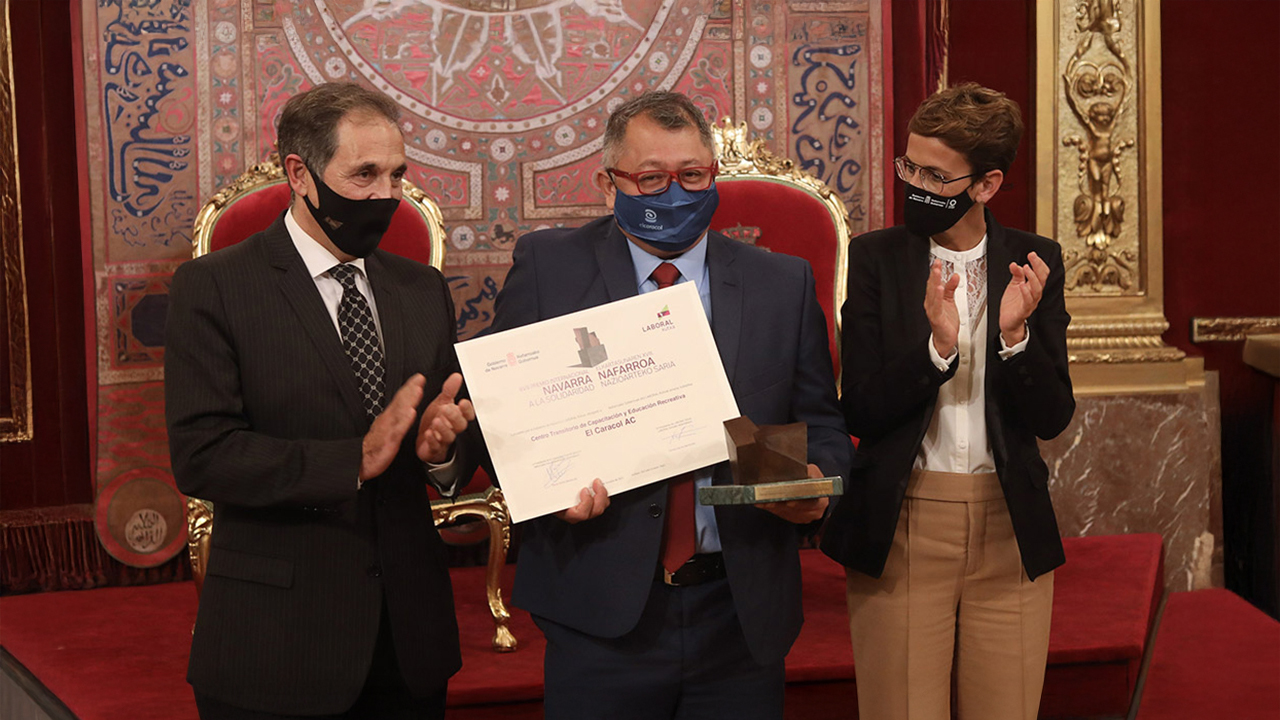 El Caracol Association
Healthcare and Psychosocial Support

This organisation works with children, adolescents, women, men, people with disabilities, and families living on the streets of Mexico City—those who clean windscreens, beg, or do small jobs for local vendors. El Caracol provides a place where their human rights are respected and protected. Its strong community connection stems from direct street outreach, as well as psychosocial and educational support, high-quality programmes, and empathetic staff. El Caracol assists people who regularly experience violence and discrimination from both society and government authorities, especially through the denial of public services such as healthcare, education, employment, identity documentation, and temporary housing.
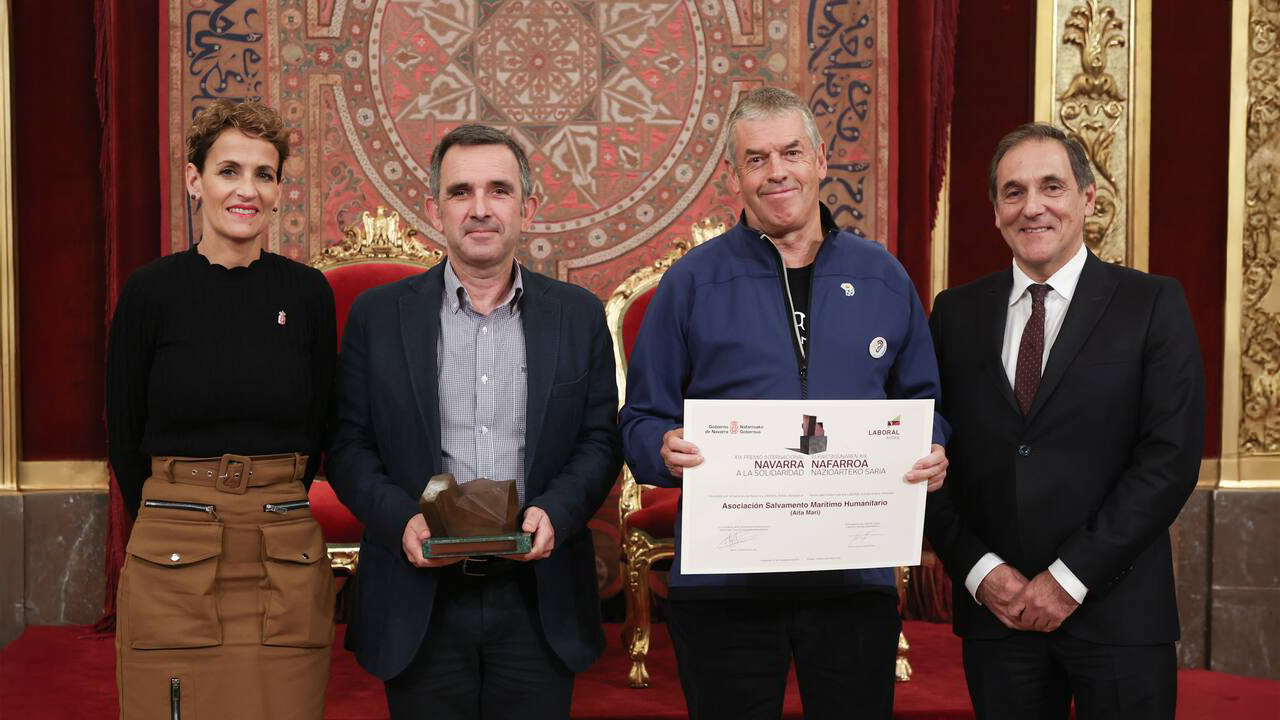 Aita Mari – Humanitarian Maritime Rescue Association
Maritime Rescue

Since late 2015, this association has been conducting humanitarian missions to assist migrants and refugees on their journey to Europe. Its initial operations took place on the Greek island of Chios, offering rescue services and later medical care at the Vial registration camp, a task still ongoing. In 2017, in partnership with PROEM AID and LIFELINE, they launched the MAYDAYTERRANEO project, chartering a rescue ship that assisted 580 individuals from September to November that year. In 2018, they acquired the vessel STELA MARIS BERRIA, converting it via a community work project (Azulan) into the rescue ship AITA MARI, which is currently on its eighth mission in the Central Mediterranean.
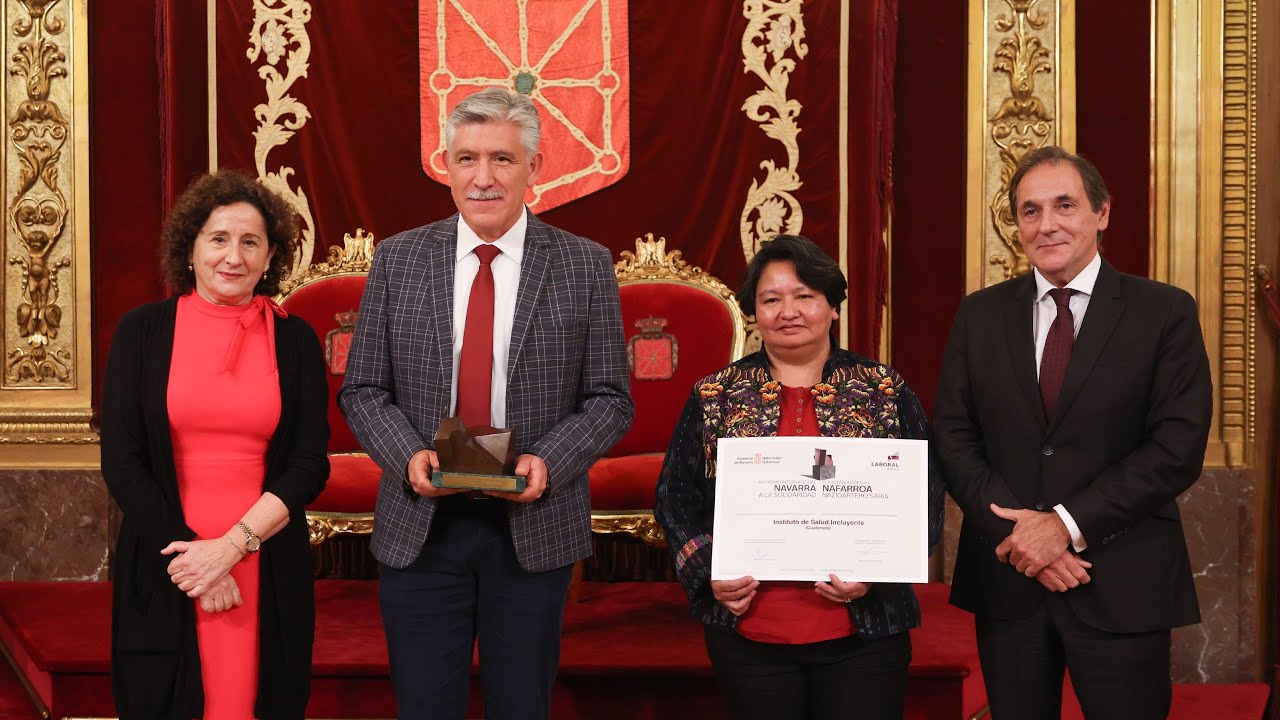 Inclusive Health Institute of Guatemala (Isis)
Universal and Equitable Access to Healthcare

This Guatemalan non-profit civil association was founded in 2008 by a group of professionals aware of the need to strengthen research, training, and public health interventions. ISIS promotes collaboration among professionals in these areas, underpinned by a moral commitment to building a fairer and more compassionate society. Currently working with Medicus Mundi, the Pan American Health Organization, CSAI Foundation, AECID, and the European Union, ISIS defines its mission as contributing to improved health conditions through social justice, by developing theoretical, methodological, and operational proposals, transdisciplinary approaches, collective knowledge-building, critical health education, and the practical application of this knowledge.
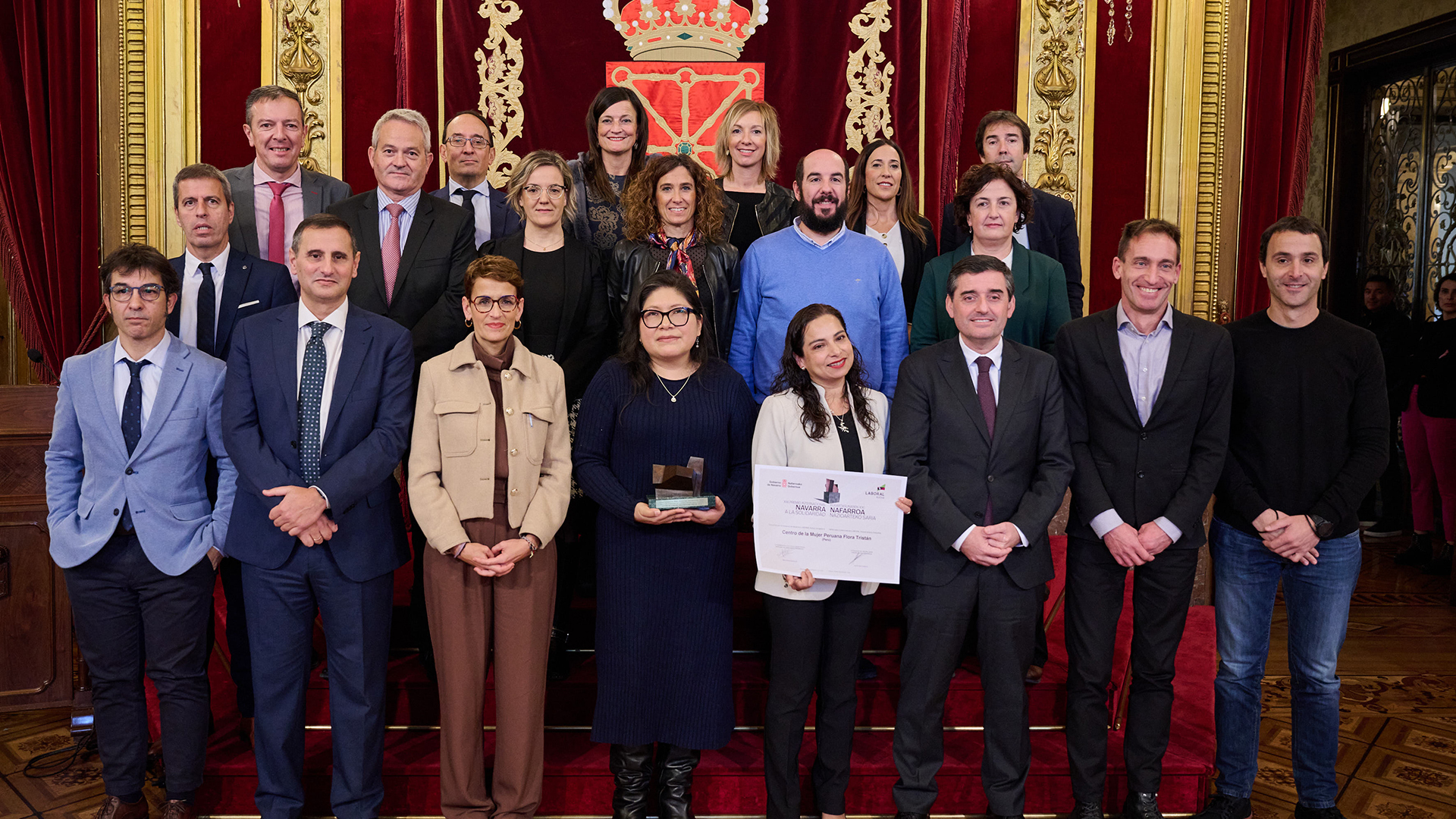 'Flora Tristán' Peruvian Women Centre
Women's Citizenship and Rights

This centre offers legal advice, guidance, and specialised litigation services in cases of gender-based violence. It also hosts the country’s only feminist library, preserving materials chronicling the Peruvian feminist movement. Its work includes public campaigns, training activities, advocacy in public policy, and the development of knowledge through an intersectional feminist lens. Despite the challenges faced over more than forty years, it has remained consistent in its principles, earning recognition as one of the most prominent women’s organisations in Peru. As a feminist organisation, CMPFT defends gender equality and seeks to deepen the substance of democracy. Its mission is shaped by the broader social, cultural, economic, and political context of the country.


Amref Health Africa Foundation
Healthcare education, combating inequality

AMREF was founded in 1957 at the foot of Mount Kilimanjaro by the so-called “Flying Doctors”—three physicians who travelled by light aircraft to the most remote areas of the continent to provide medical care.
Since then, it has expanded its operations from its headquarters in Nairobi and now employs more than 2,400 people, 97% of whom are African, working in areas such as the training of healthcare personnel, technological innovation, and the fight against female genital mutilation. It has also responded to major crises such as the Rwandan genocide, the HIV/AIDS pandemic, and COVID-19 across 37 African countries, with a particularly strong presence in Uganda, Mauritania, South Sudan, and Ethiopia.
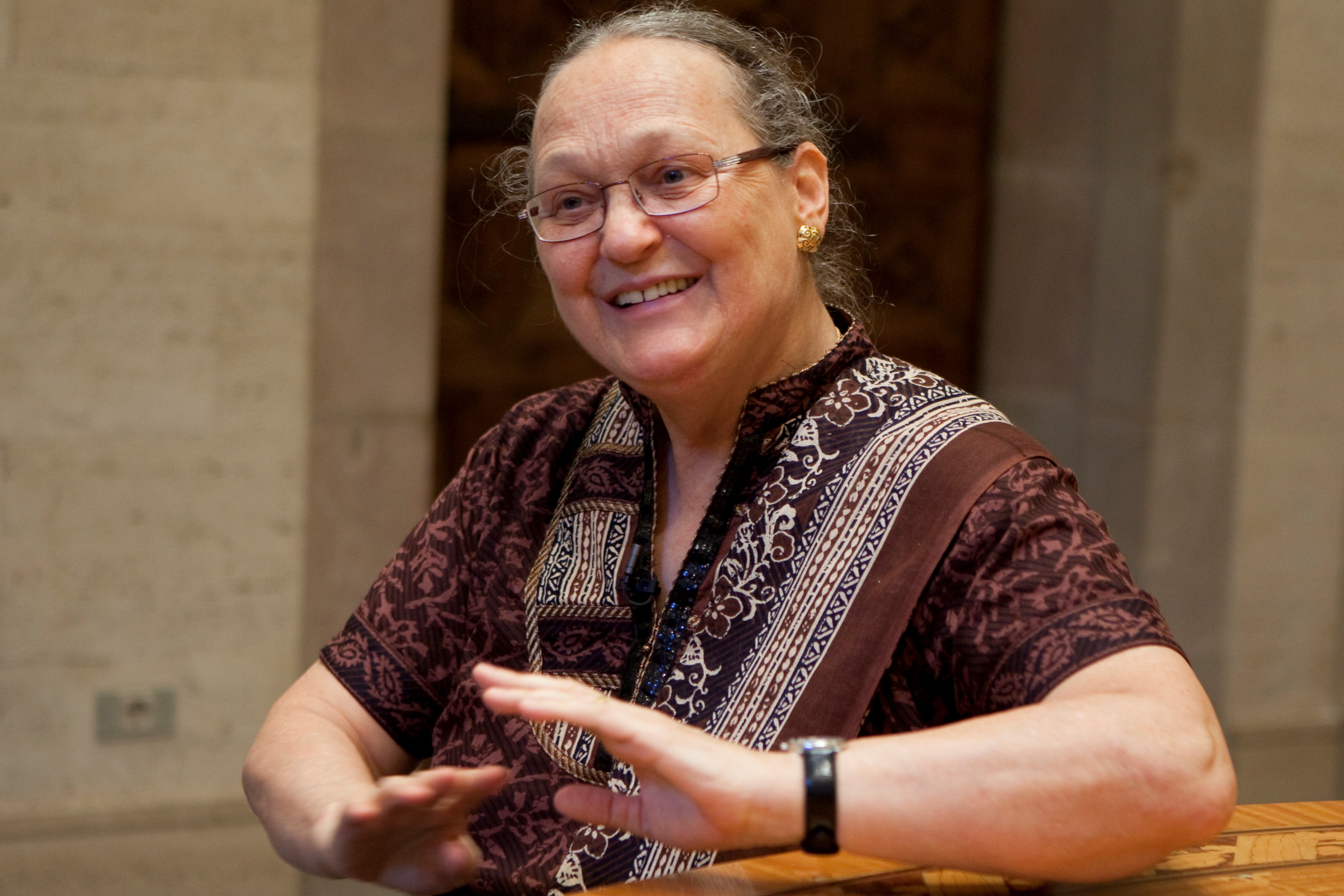
Ana Ferrer Perry (Vicente Ferrer Foundation)
Reducing extreme poverty; campaigning for the rights of women and people with disabilities
Anna Ferrer has been recognised for her 57-year career in the field of international cooperation in India, where she is based and where she has worked to combat poverty and promote the rights of women and people with disabilities through sustainability, equality and community work. In this regard, the deliberations highlighted the link between the work carried out by Anna Ferrer and the Foundation and eight of the Sustainable Development Goals of the 2030 Agenda.